
How a Coin Ring is Made
Most people ask the same question the moment they see one: how does an actual coin become a ring?
This is how we do it at Silver State Foundry — the real steps, forged by hand, one piece at a time.
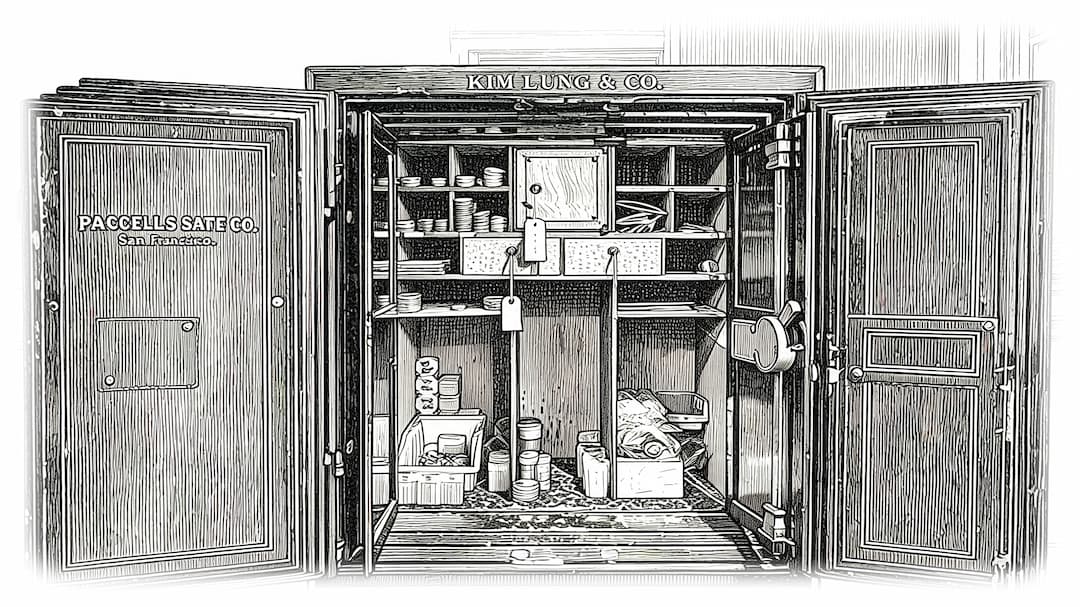
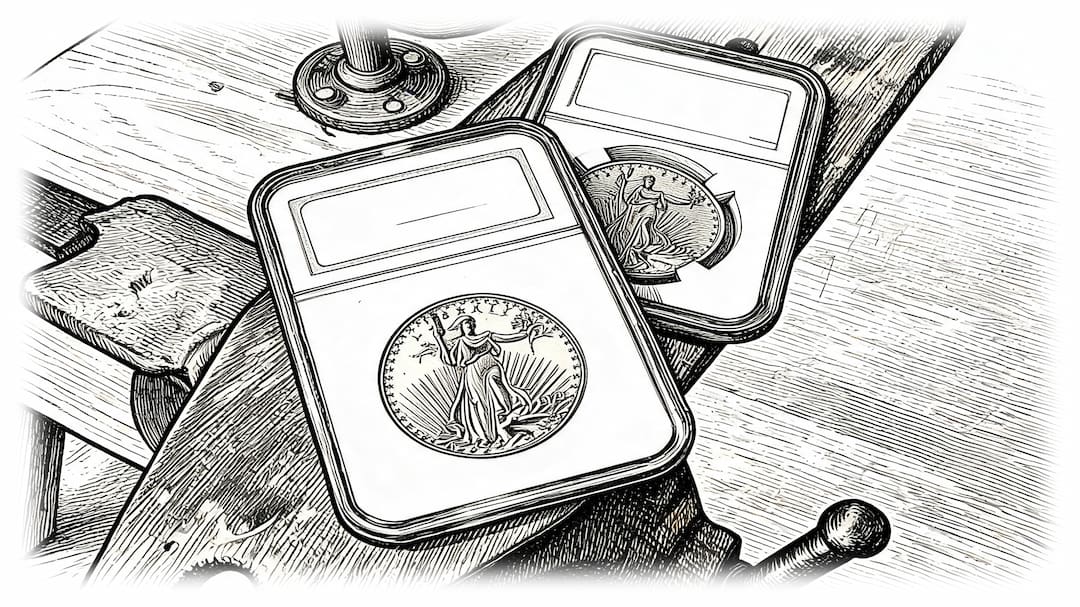
Genuine High Grade Silver & Gold
1. Coin Selection
Every piece starts as a silver or gold coin already worth keeping - genuine high quality and professionally graded coins.
(For those familiar with coin quality, we only use AU/BU and MS-63 or better coins graded by NCG or PCGS.)
A ring can only be as good as the coin it’s forged from.
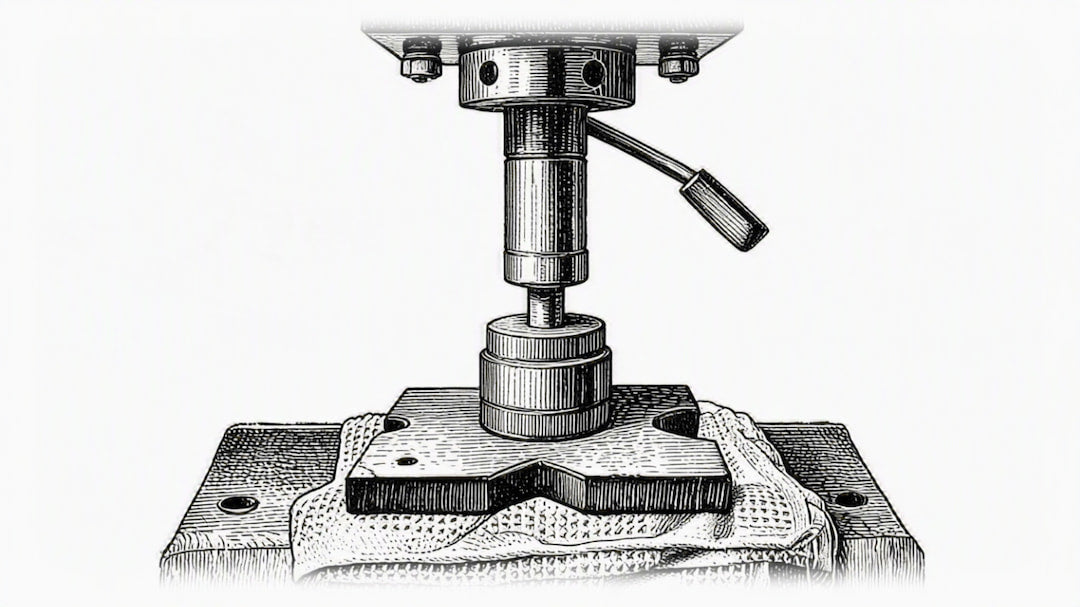
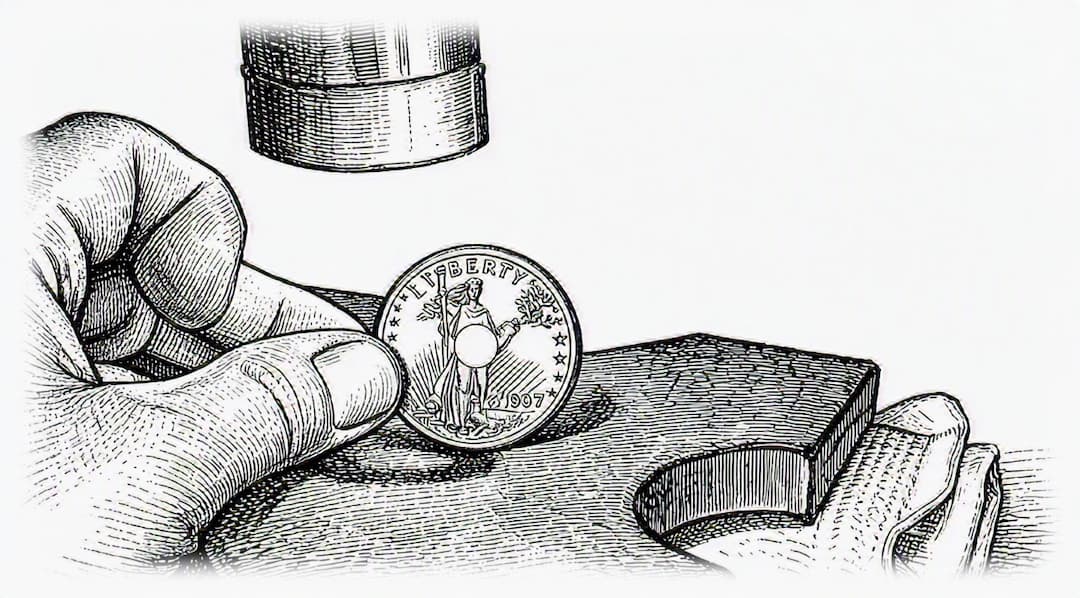
The "Angel's Share"
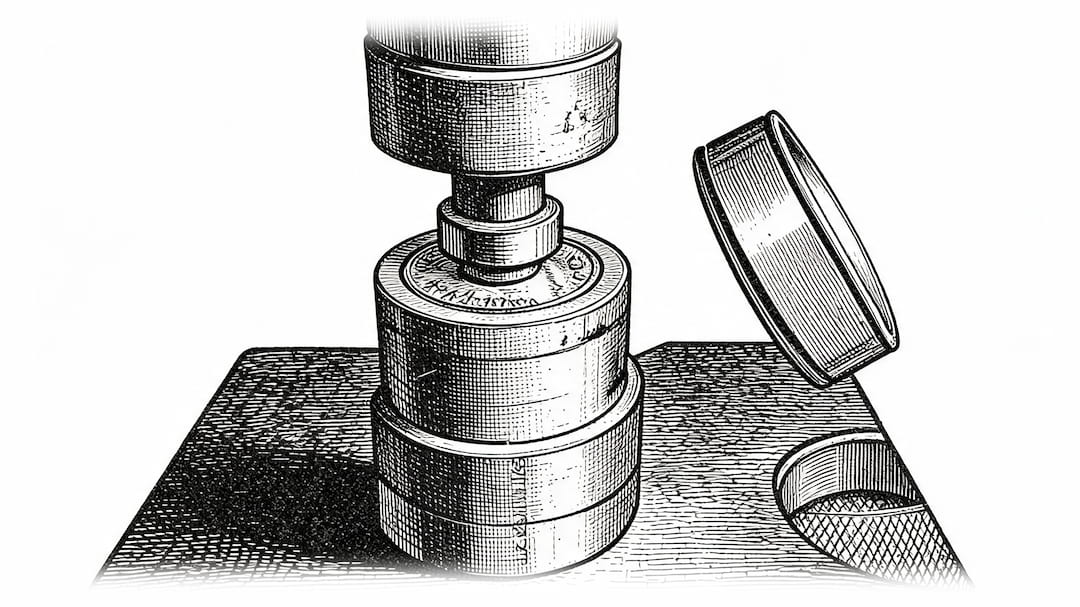
2. The First Move - No Going Back
A tiny hole is created in the exact center of the coin, precise to a fraction of a millimeter — off by a hair here, and everything after it compounds. What's removed stays with us and is recycled.
The First Fold
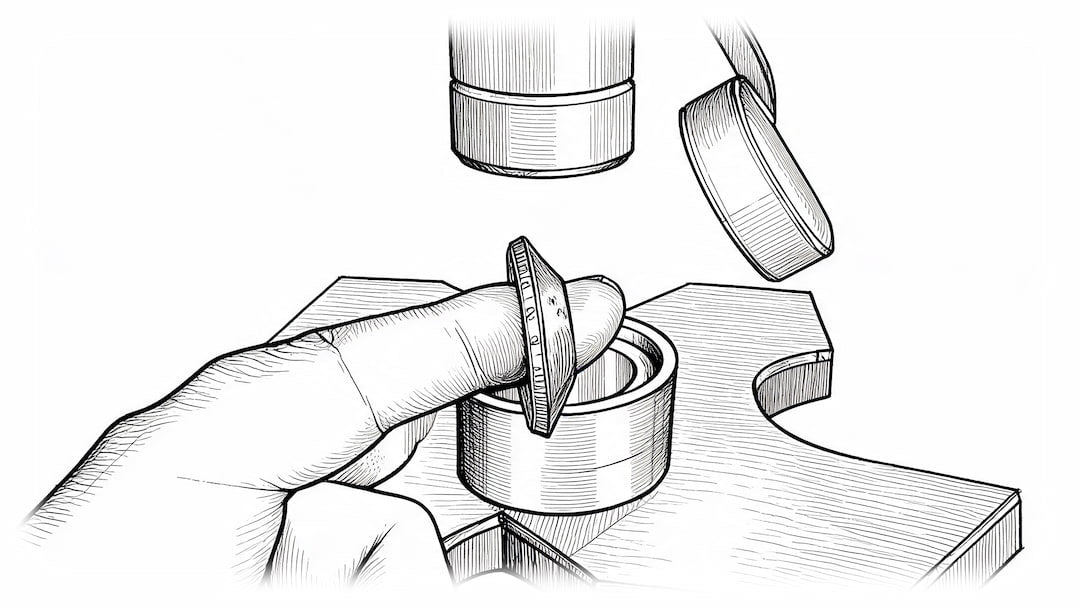
3. Breaking the Plane
Pressed into a domed shape, the tiny hole starts to open and the flat coin begins to lift — the first hint of the shape it's becoming. This minor change portends great things to come.
Bringing the Heat
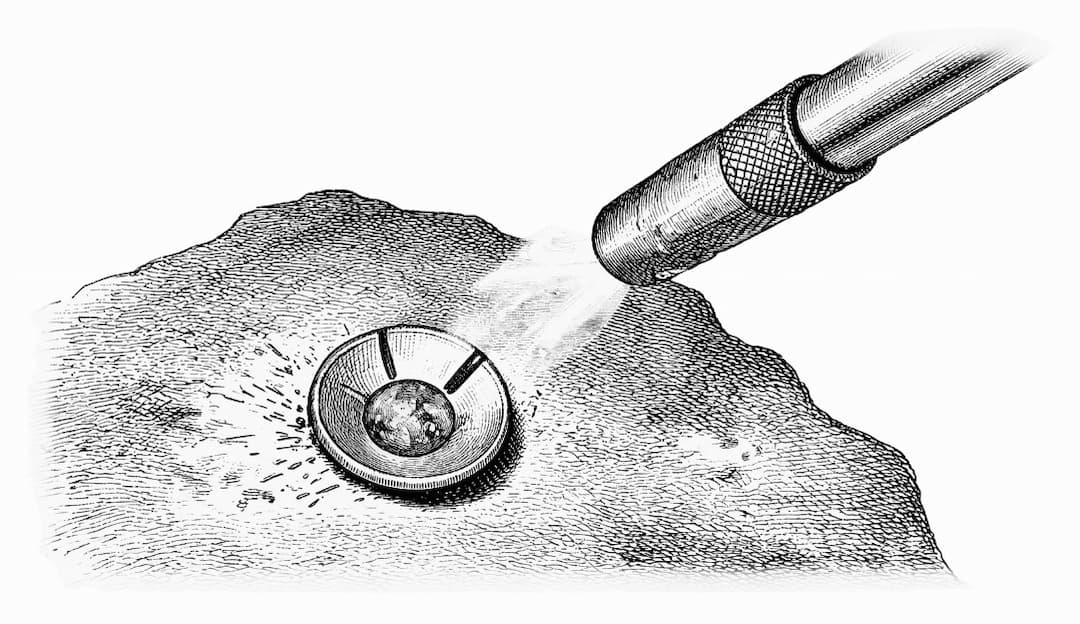
4. Annealing
Some metals get harder when heated. Silver and gold are different. Under flame, their crystalline structures relax and realign, making them slightly pliable. It requires precise thermal control: too much and they melt, not enough and they crack under pressure.
This process is repeated multiple times throughout the forging of each ring.
Preserving Every Detail
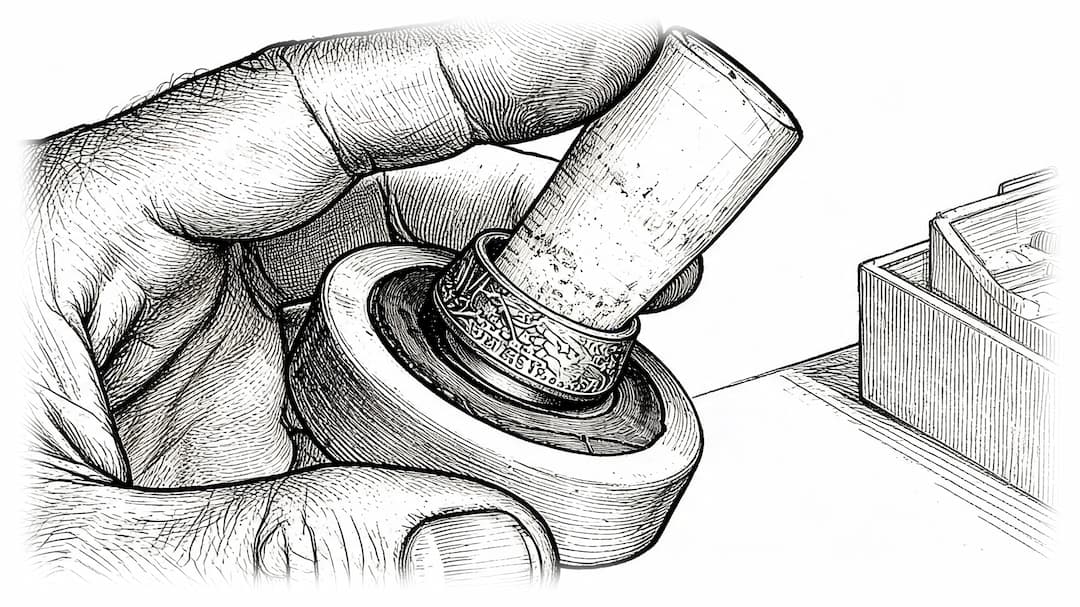
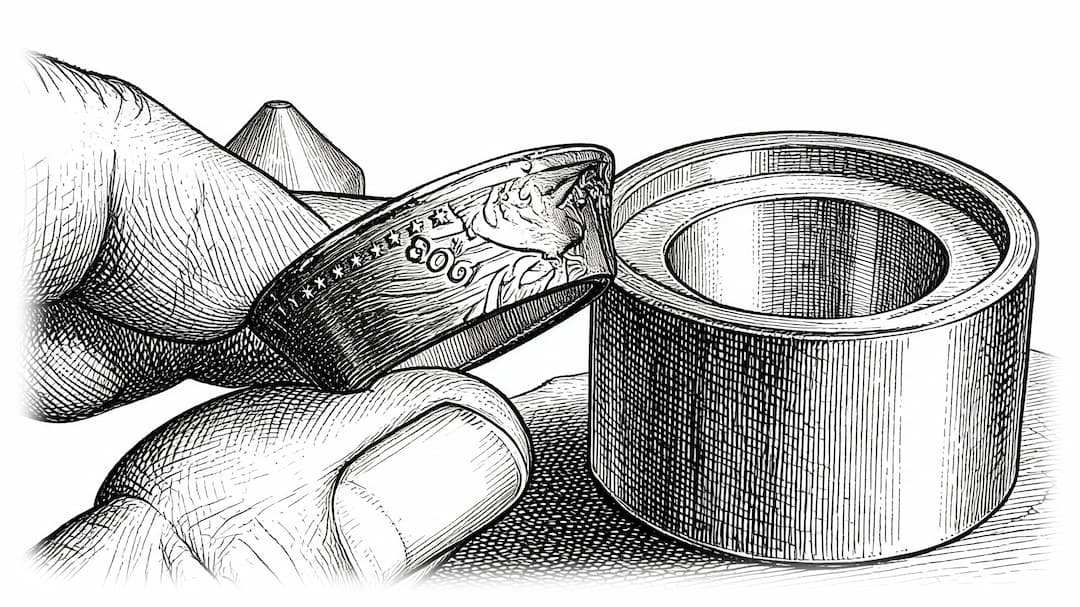
5. Honoring the Engraver’s Vision
The allure of a coin ring requires preserving its original crisp details - the date, the folds in Lady Liberty’s dress, the feathers on the eagle’s chest. Protecting them requires specialized tooling, materials, and processes from beginning to end. One tiny mistake means a ruined piece and starting over.
Good Things Take Time
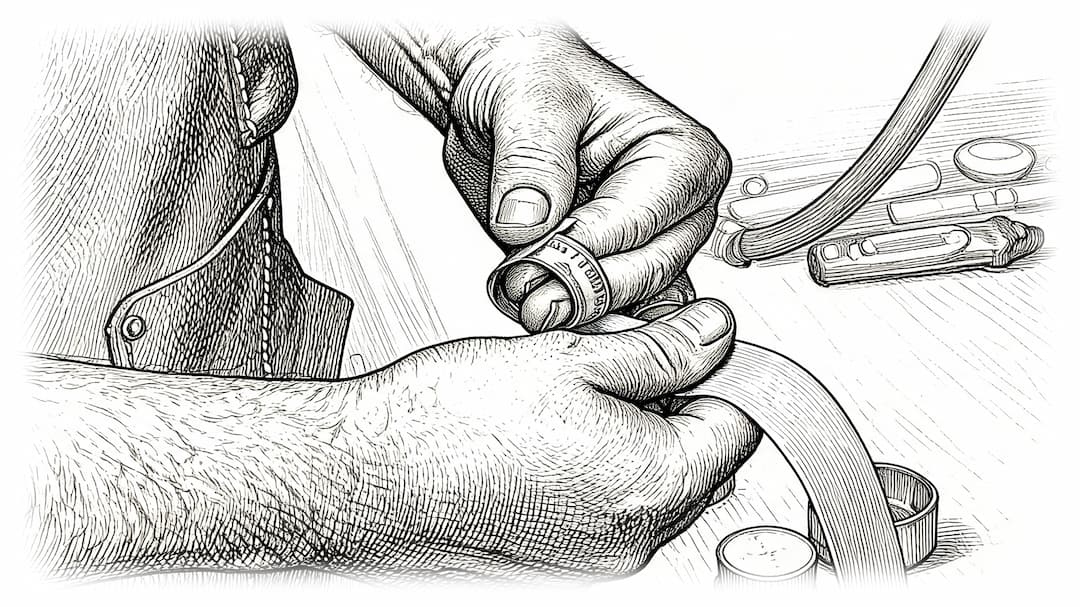
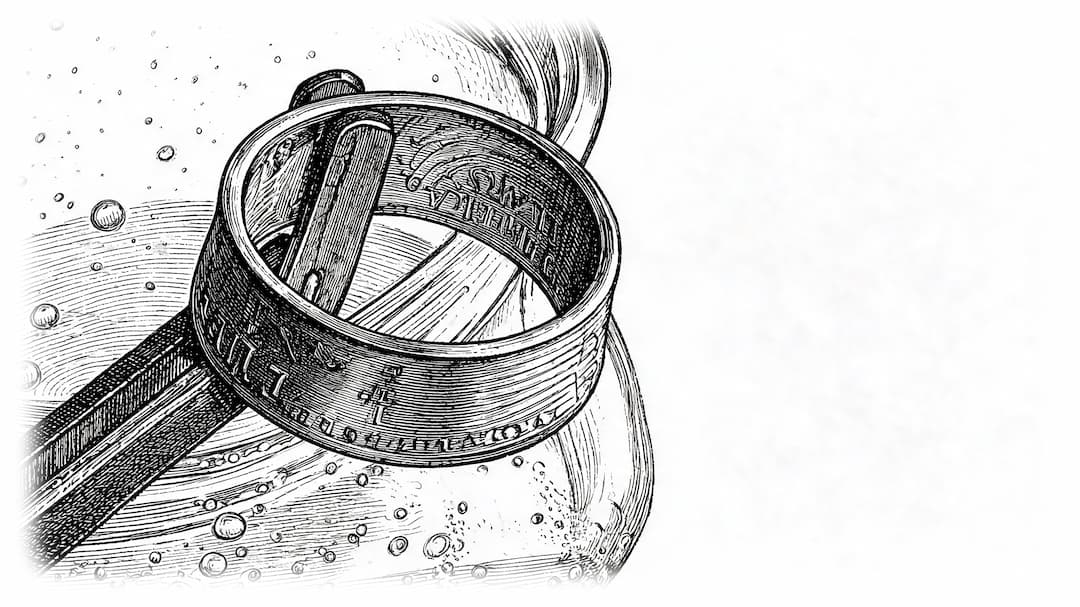
6. A Dance of Heat & Pressure
Folding the domed coin into its ring form happens gradually. Anneal, cool, open it a bit - again and again - each cycle judged by eye and feel, never rushed.
When It All Comes Together
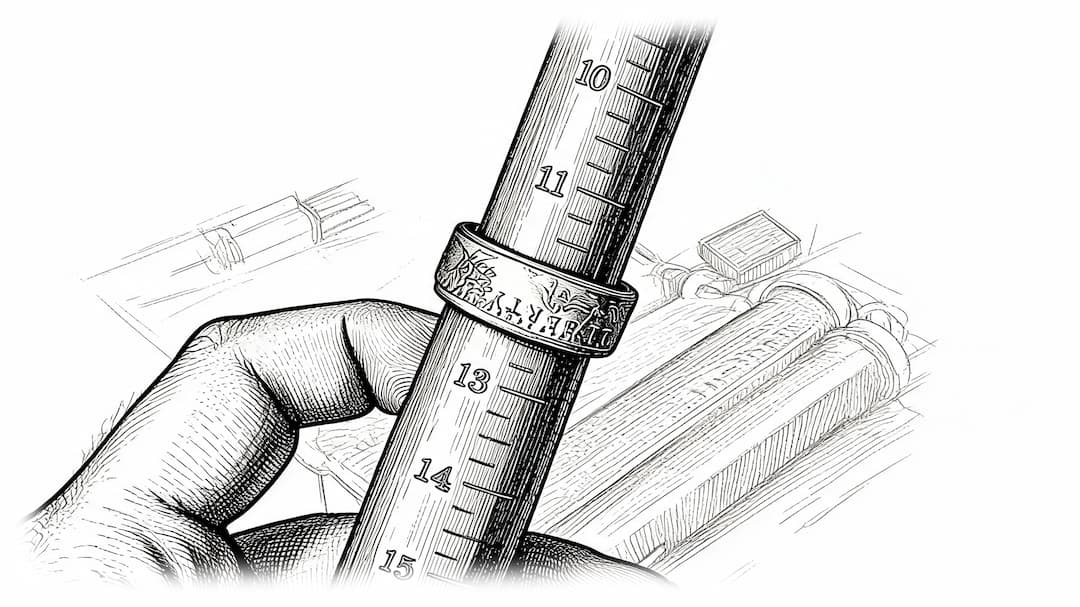
7. DAILING IT IN
The perfect coin ring is achieved when three things happen simultaneously: it’s brought to the exact target size, with the perfect shape, at the same moment it has become work-hardened for durability. This doesn’t happen by chance, only with years of experience.
Where Comfort Meets Craft
8. Form and Function Unite
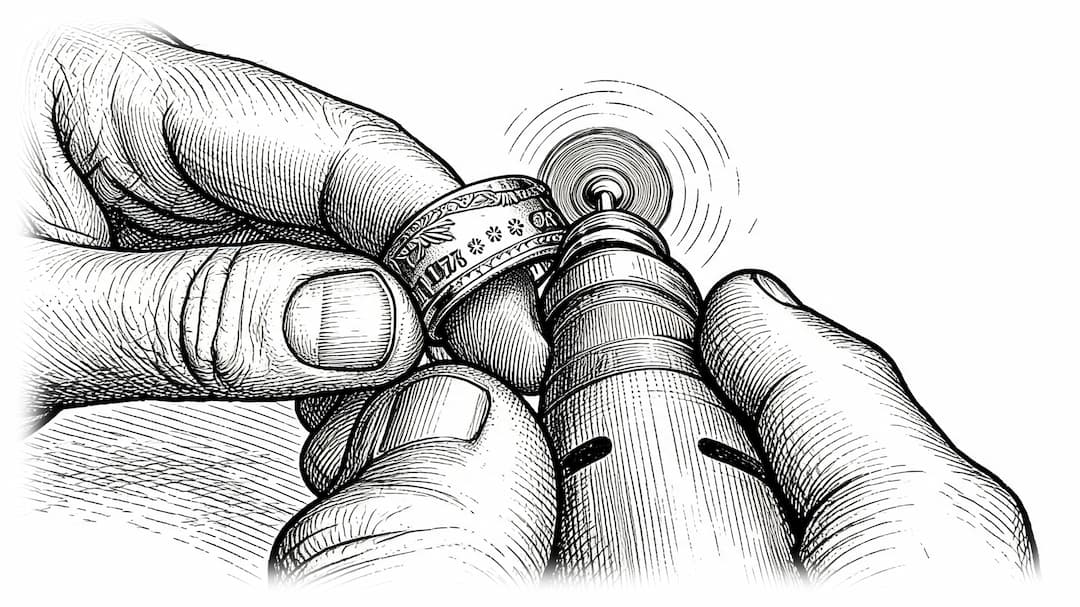
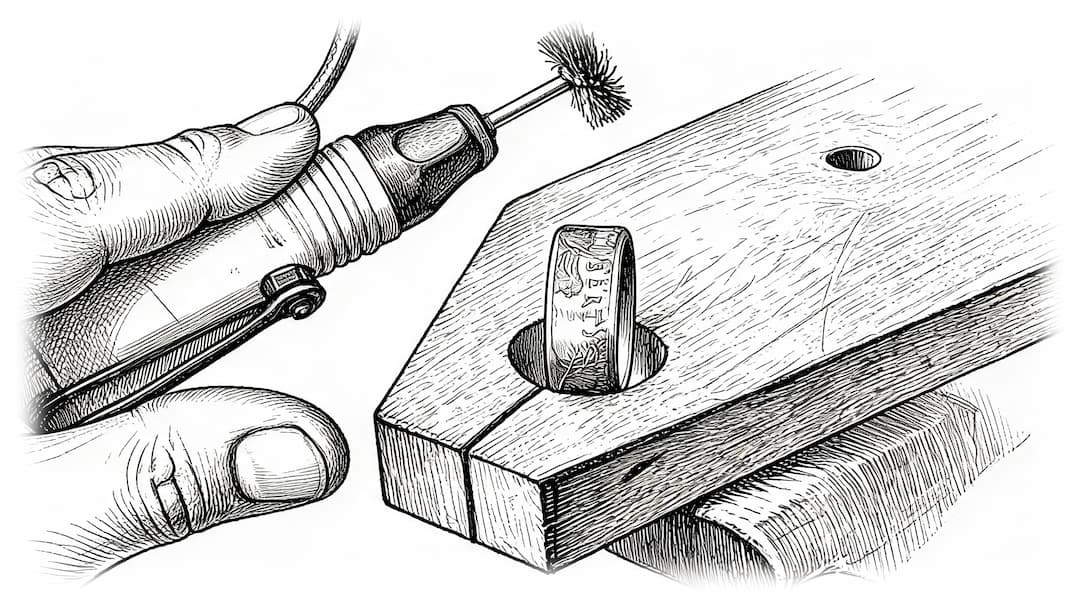
The inside lip is taken down before the edges are filed, sanded and polished smooth for comfort. Finally, a high polish or patina is applied.
Proof, Not Promises
9. Provenance Matters
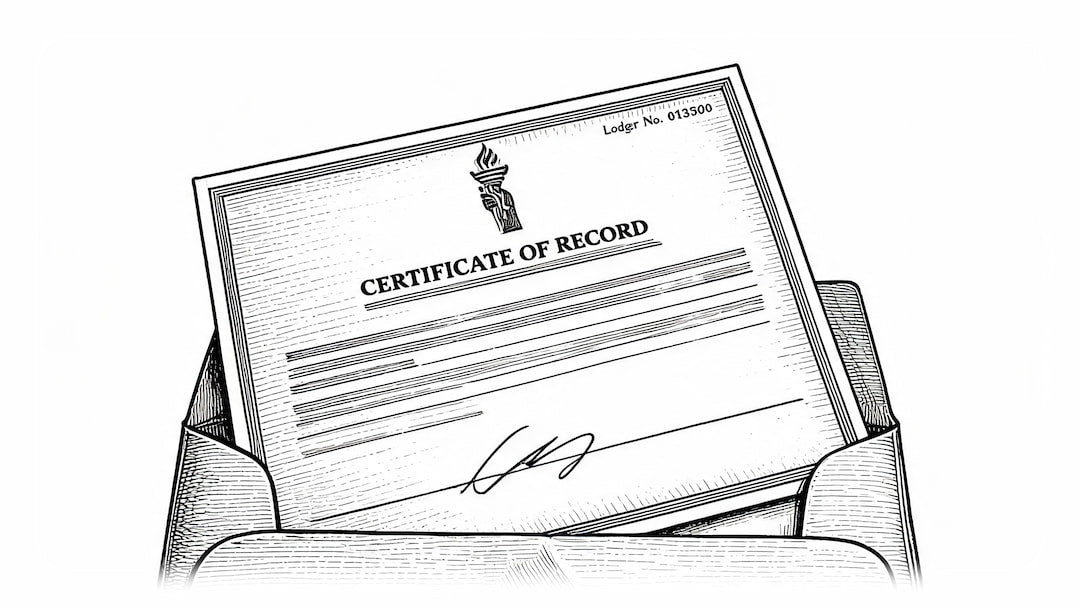
Each piece is logged in the Founder's Ledger and issued a signed Certificate of Record before it ever leaves the bench.
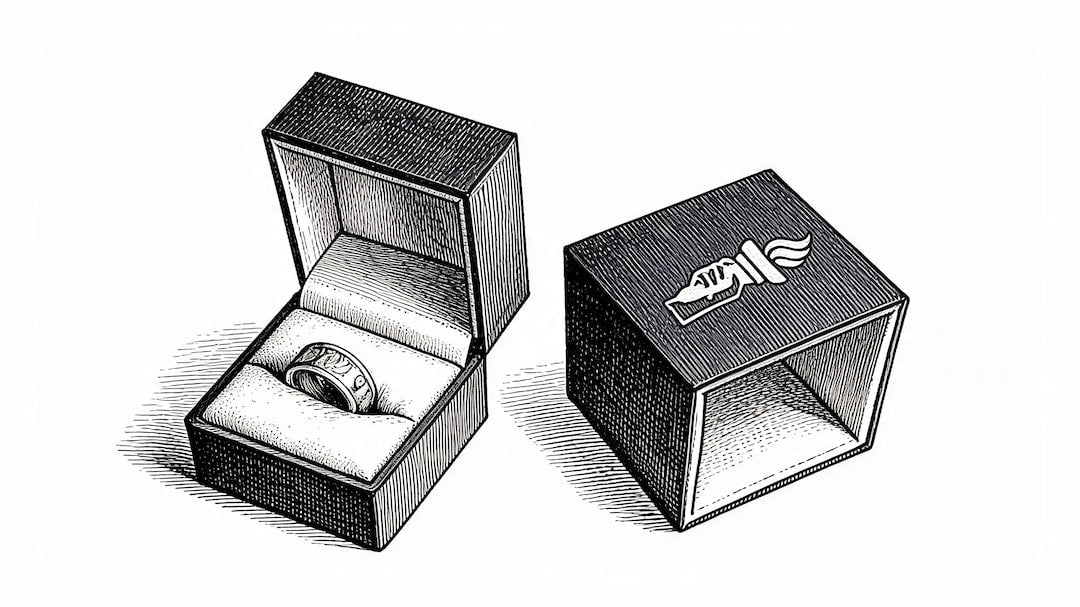
Every ring ships in a presentation box built to be kept, not thrown away — insured door to door, and usually on its way within a few days.
The Standard We Hold
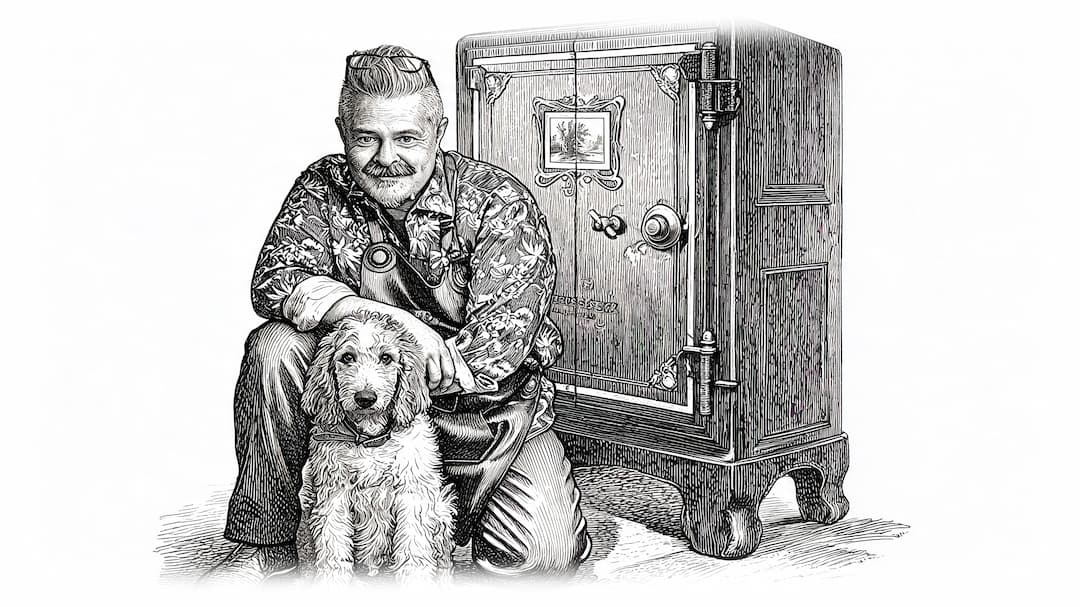
This is the work — every ring forged the same way, by hand, in the USA, no shortcuts and no exceptions.
We didn't start Silver State Foundry to make jewelry faster or cheaper than anyone else. A coin already carries a history worth keeping; turning it into something you can wear seemed like the right way to carry that history forward.
That's still the only standard we hold ourselves to — not what's fastest, but what's right. Every ring that leaves this bench earns its place the same way.
Ready When You Are
Hold One and You'll Understand
Every piece in the Vault is forged exactly the way you just saw — no shortcuts, no exceptions.